Project Overview
ODIRS experienced network and communication disruptions caused by power-related failures that affected key infrastructure components.
The project focused on recovering the damaged network, restoring connectivity across the organization, and stabilizing the systems needed for daily operations and internal communication.
Objectives
The main objective was to restore full network functionality within a short timeframe and reduce the impact of downtime on business operations.
The project also aimed to strengthen the network setup, improve system reliability, and ensure that IP-based communication systems were properly reconnected to the restored infrastructure.
Our Approach
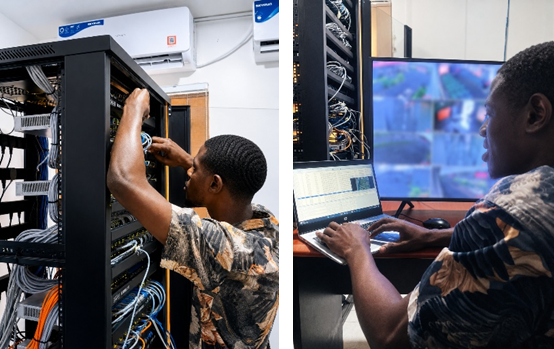
We began by assessing the affected network infrastructure to identify damaged components and areas where connectivity had failed.
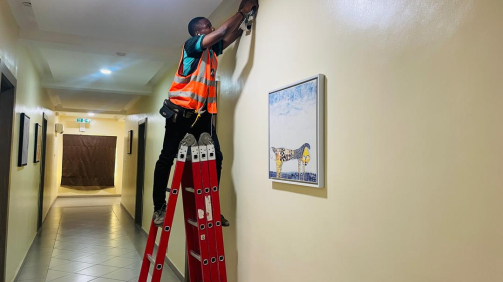
Faulty switches were replaced, and network connections were restored across the organization. The IP communication systems were then reconfigured and integrated back into the network to ensure teams could communicate reliably.
After the recovery work was completed, system performance was tested under operational load. This helped confirm that the restored network was stable, responsive, and ready to support normal business activity.
Key Features
- Recovery of damaged network infrastructure
- Replacement of faulty network switches
- Restoration of connectivity across the organization
- Reconfiguration of IP communication systems
- Integration of communication systems with the restored network
- Performance testing under operational load
- Improved network stability and internal communication
Outcome & Technology Result
The project restored full network and system functionality within a short timeframe, helping ODIRS return to normal business operations with minimal disruption.
The recovery also improved the reliability of the network and strengthened internal communication across teams. With the faulty components replaced and the systems properly reconfigured, the organization now has a more stable infrastructure that is better prepared to handle future disruptions.